
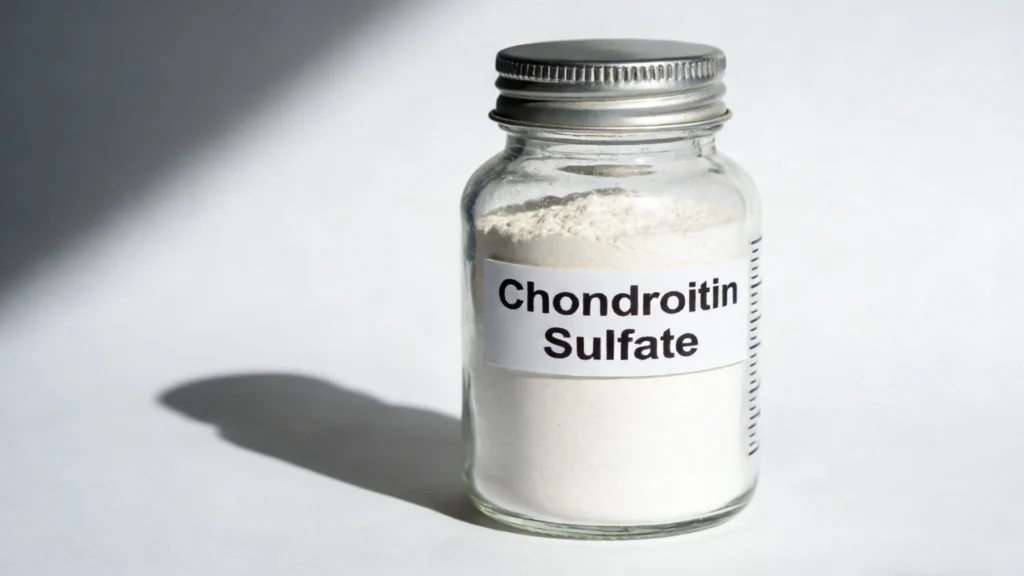
What is Chondroitin Sulfate: Overview
When people ask “what is chondroitin sulfate?”, they are often seeking a clear, easy-to-understand explanation of this important biological substance. What is chondroitin sulfate, exactly? To put it simply, chondroitin sulfate is a naturally occurring sulfated glycosaminoglycan (GAG), a type of complex carbohydrate that plays a vital role in the structure and function of animal connective tissues. Understanding what is chondroitin sulfate is not just for scientists—its relevance to joint health, skincare, and even veterinary care makes it a substance worth knowing for everyone. So, let’s break down what chondroitin sulfate is step by step, covering its structure, sources, functions, applications, and more.
Chemical Structure
To fully answer “what is chondroitin sulfate”, we must first look at its chemical makeup, as structure directly determines function. What is chondroitin sulfate made of? Chondroitin sulfate is composed of repeating disaccharide units, which are two-sugar molecules linked together. These units consist of D-glucuronic acid and N-acetyl-D-galactosamine, and each unit carries one or more sulfate groups. These sulfate groups are what give chondroitin sulfate its unique properties—they make the molecule negatively charged, allowing it to attract water and form a gel-like structure. This structure is key to understanding what chondroitin sulfate is and how it works in the body.
Natural Sources
Another important part of answering “what is chondroitin sulfate” is knowing where it comes from naturally. What is chondroitin sulfate’s natural habitat? Chondroitin sulfate is widely distributed in the bodies of vertebrates, including humans, as well as some invertebrates. It is most concentrated in connective tissues, such as joint cartilage, nasal cartilage, tracheal cartilage, tendons, ligaments, and skin. In humans, the highest levels of chondroitin sulfate are found in the cartilage of the knees, hips, and spine—areas that bear weight and need flexibility. For commercial use, chondroitin sulfate is typically extracted from animal sources like shark cartilage, bovine cartilage, and chicken sternum, as these are rich in the substance.
Core Physiological Functions
When we ask “what is chondroitin sulfate?”, we also want to know what it does in the body. What is chondroitin sulfate’s role in maintaining health? Its functions are closely tied to its structure, and they are critical for connective tissue health:
- Joint Lubrication and Cushioning: Chondroitin sulfate attracts and retains water, forming a slippery, gel-like layer in joint cartilage. This layer lubricates the joints, reducing friction between bones and preventing wear and tear. This is one of the most important answers to “what is chondroitin sulfate’s key benefit”.
- Cartilage Protection: Chondroitin sulfate helps maintain the elasticity and strength of cartilage. It inhibits the activity of enzymes that break down cartilage (such as matrix metalloproteinases), slowing down the process of joint degeneration. This is why understanding what chondroitin sulfate is crucial for people with joint issues.
- Tissue Repair and Regeneration: Chondroitin sulfate supports the growth and repair of connective tissues, including cartilage, tendons, and skin. It helps stimulate the production of collagen and other components of the extracellular matrix, which are essential for tissue healing.
- Blood Vessel Health: Chondroitin sulfate also plays a role in maintaining the health of blood vessel walls, helping to keep them flexible and preventing hardening.
Practical Applications
Now that we understand the basics of what chondroitin sulfate is, let’s explore how it is used in our daily lives. What is chondroitin sulfate used for in industry, healthcare, and beyond? Its applications are diverse and continue to expand with ongoing research:
- Dietary Supplements: The most common use of chondroitin sulfate is in joint health supplements. Many people take chondroitin sulfate supplements to support joint flexibility and reduce discomfort, especially as they age. This is a direct application of what chondroitin sulfate’s core function is—protecting cartilage.
- Pharmaceutical Industry: Chondroitin sulfate is used in medications to treat conditions like osteoarthritis, a common joint disorder. It is also used in eye drops to help lubricate the eyes and support corneal health.
- Skincare Products: Due to its ability to retain water and support skin structure, chondroitin sulfate is added to skincare products like moisturizers and anti-aging creams. It helps improve skin elasticity and hydration, addressing dryness and fine lines.
- Veterinary Care: Chondroitin sulfate is also used in pet supplements, particularly for dogs and cats, to support their joint health, especially in older animals or those with joint injuries.
Safety and Tolerance
A common follow-up question to “what is chondroitin sulfate?” is “is it safe to use?” What is chondroitin sulfate’s safety profile? Fortunately, chondroitin sulfate is a natural substance with high safety and good tolerance. Most people who take chondroitin sulfate supplements experience no side effects, and the few reported side effects (such as mild digestive discomfort) are rare and mild. Long-term oral use of chondroitin sulfate is considered safe for most adults, making it a popular and reliable supplement for joint health.
Summary
To wrap up, what is chondroitin sulfate? Chondroitin sulfate is a natural sulfated glycosaminoglycan that is essential for the health of connective tissues, particularly joint cartilage. What is chondroitin sulfate’s purpose? It lubricates joints, protects cartilage, supports tissue repair, and has a wide range of applications in healthcare, supplements, and skincare. By understanding what chondroitin sulfate is, we can make informed choices about using it to support our health and well-being. Whether you’re looking to maintain joint health, improve skin hydration, or learn more about biological substances, knowing what chondroitin sulfate is is a valuable piece of knowledge.