
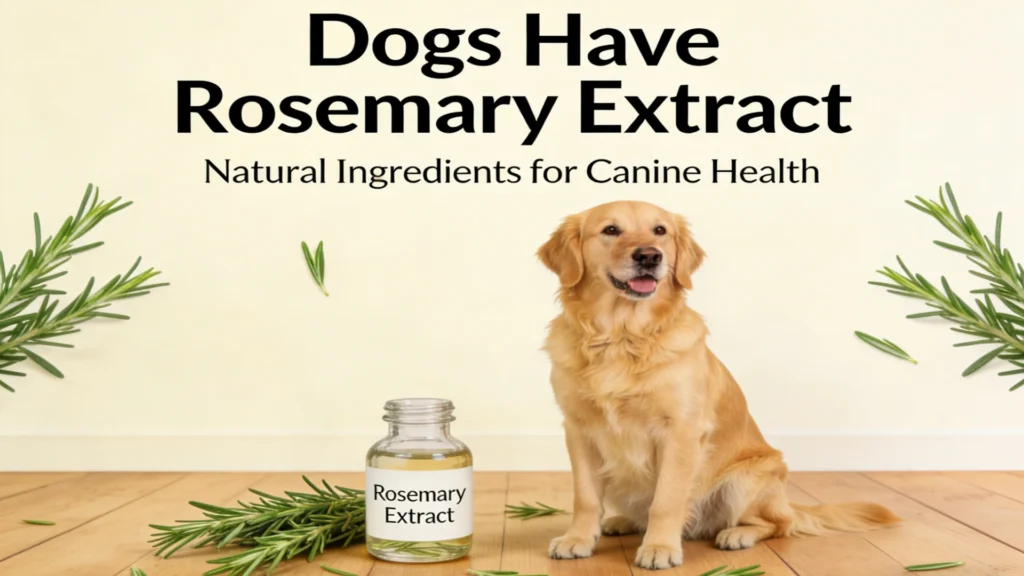
A question we hear time and again from both pet owners and industry professionals is: “Can dogs have rosemary extract?” The short answer is yes—but as a supplier of high-quality rosemary extract, we believe a more pressing question is: Why should you include it in your premium pet food formulations?
To fully address the core question “Can dogs have rosemary extract?” and unlock its full value for your premium lines, we’ll dive deeper into three key factors: its safety profile, functional benefits, and alignment with modern consumer demands—all of which make it a standout choice for forward-thinking pet food manufacturers.
Is Rosemary Extract Safe for Dogs? Clearing Up Misconceptions
First and foremost, safety is non-negotiable when it comes to pet food ingredients, and rosemary extract excels in this area. For years, there has been some confusion around whether rosemary extract is safe for dogs, often stemming from misinformation about its components.
Pure, food-grade rosemary extract—when used in appropriate concentrations—is not only safe but also beneficial for canine health. Regulatory bodies worldwide, including the Association of American Feed Control Officials (AAFCO) and the European Pet Food Industry Federation (FEDIAF), have officially approved its use in pet food, further confirming its safety profile for dogs of all ages and breeds.
Unlike some synthetic additives, rosemary extract is a natural derivative, minimizing the risk of adverse reactions in sensitive dogs, including those with food allergies or digestive sensitivities. It is free from artificial colors, flavors, and preservatives, aligning with the growing demand for clean, transparent pet food ingredients.
Functional Benefits of Rosemary Extract for Pet Food
Beyond safety, rosemary extract offers powerful functional benefits that enhance the quality and nutritional value of your pet food formulations—another key reason to answer “yes” to “Can dogs have rosemary extract?”
One of its most well-documented benefits is its natural antioxidant properties. Rosemary extract contains compounds like rosmarinic acid and carnosic acid, which help neutralize free radicals in a dog’s body. Free radicals are harmful molecules that contribute to oxidative stress, which is linked to aging, inflammation, and various health issues in canines.
By incorporating rosemary extract, you can help support your customers’ dogs in maintaining healthy cells, promoting longevity, and reducing the risk of age-related conditions.
Additionally, rosemary extract’s natural antioxidant compounds—rosmarinic acid and carnosic acid—are more stable and gentle than many synthetic antioxidants, making them ideal for long-term inclusion in premium pet food formulations without compromising nutritional integrity.
It also helps preserve the freshness and flavor of your products, ensuring that every bowl your customers serve is as nutritious and palatable as the day it was made.
Consumer Appeal: Why Pet Owners Trust Rosemary Extract
Finally, rosemary extract aligns perfectly with consumer appeal—the third critical criterion for premium pet food success. Today’s pet owners treat their dogs as family members, and they demand ingredients that are not only safe and beneficial but also recognizable and natural.
When pet owners see “rosemary extract” on your ingredient list, they immediately associate it with a natural, plant-based ingredient—something they can trust. This builds brand loyalty and differentiates your products from competitors who rely on synthetic additives.
This natural appeal extends beyond ingredient transparency: rosemary is a familiar herb in human cooking, which translates to instant recognition and trust from pet owners who seek food that mirrors their own healthy eating habits.
For premium pet food lines, where quality and perceived value are paramount, rosemary extract is a marketing advantage—one that answers the question “Can dogs have rosemary extract?” with a resounding “yes, and it’s good for them.”
Not All Rosemary Extract Is Equal: Key Considerations
To address any remaining doubts, it’s important to note that not all rosemary extract is created equal. The safety and efficacy of rosemary extract depend on its purity, concentration, and source.
As a supplier, we prioritize full traceability in our rosemary extract production—from selecting high-quality rosemary plants to gentle processing methods—ensuring consistent potency and safety for every batch we provide to pet food manufacturers.
We work closely with pet food manufacturers to determine the optimal concentration for their formulations—ensuring that the extract delivers maximum benefits without any risk to canine health. Whether you’re formulating dry kibble, wet food, or treats, rosemary extract can be seamlessly integrated into your products, enhancing their quality without compromising on taste or safety.
Conclusion: Rosemary Extract Is a Strategic Choice for Premium Pet Food
In summary, the answer to “Can dogs have rosemary extract?” is clear: yes, when it’s high-quality, properly formulated, and used in appropriate concentrations.
For premium pet food manufacturers, rosemary extract is more than just a safe ingredient—it’s a strategic choice that checks all three boxes: safety, functionality, and consumer appeal. It offers natural antioxidant support, acts as a gentle preservative, and resonates with today’s health-conscious pet owners.
By incorporating rosemary extract into your formulations, you can create products that stand out in a crowded market, build trust with your customers, and ultimately, support the health and well-being of the dogs they love.