
I. Introduction
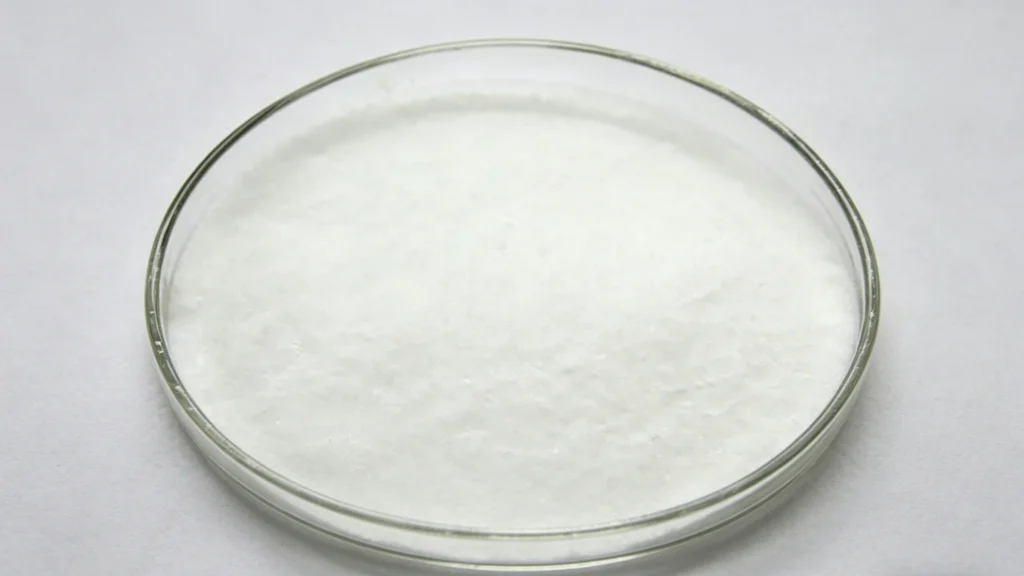
Biotin has emerged as one of the most popular nutritional supplements in animal care, particularly for pet owners, livestock managers, and equestrian professionals seeking to improve their animals’ external appearance and overall well-being. Available in convenient powder form, biotin supplements offer an easy-to-administer solution for addressing common concerns like dull coats, brittle hooves, and skin irritations. This comprehensive guide explores everything you need to know about biotin powder for animals—from its scientific benefits to practical application across different species.
II. What Is Biotin?
Biotin, also known as vitamin B7 or vitamin H, is a water-soluble B-complex vitamin that plays a critical role in cellular metabolism. It serves as a coenzyme (cofactor) for carboxylase enzymes involved in fatty acid synthesis, gluconeogenesis, and amino acid metabolism. Unlike fat-soluble vitamins, excess biotin is readily excreted through urine, making it a safe supplement with minimal risk of toxicity.
In animals, biotin cannot be synthesized in sufficient quantities to meet optimal health needs, particularly for high-performance or breeding animals. While certain gut bacteria produce small amounts, dietary supplementation often becomes necessary to achieve visible improvements in skin, coat, and hoof quality.
III. Key Benefits of Biotin Power for Animals
Improved Coat and Hair Quality
Biotin is perhaps best known for its transformative effects on animal fur and hair. It strengthens keratin infrastructure—the fundamental protein building blocks of hair, skin, and hooves. Regular supplementation typically results in:
– Enhanced coat shine and luster
– Reduced shedding and breakage
– Faster hair regrowth in patchy or damaged areas
– Softer, more manageable fur texture
Skin Health Enhancement
Healthy skin starts from within. Biotin supports skin cell regeneration and lipid metabolism, helping to:
– Reduce dry, flaky skin and dandruff
– Minimize dermatitis and allergic skin reactions
– Accelerate healing of wounds and skin abrasions
– Maintain proper skin hydration and elasticity
Hoof and Nail Strength
For hooved animals, particularly horses, biotin supplementation is extensively researched and widely recommended. Benefits include:
– Harder, more resilient hoof walls
– Reduced cracking, chipping, and splitting
– Faster hoof growth rates
– Improved sole quality and overall hoof conformation
Metabolic Support
Beyond cosmetic benefits, biotin facilitates essential metabolic functions:
– Conversion of food into usable energy
– Synthesis of fatty acids for cellular health
– Regulation of blood sugar levels
– Support for healthy nervous system function
IV. Species-Specific Applications
Horses
Equestrians represent the largest market for animal biotin supplements. Horses with poor hoof quality—characterized by brittle walls, tender soles, or slow growth—often show dramatic improvement within 6–9 months of consistent supplementation. The standard therapeutic dose ranges from 15–20 mg daily, though some practitioners recommend higher amounts for severe deficiencies.
Dogs and Cats
Companion animals benefit significantly from biotin, especially breeds prone to skin issues or heavy shedding. Visible improvements in coat condition typically appear within 4–8 weeks. Recommended doses vary by size:
– Small dogs/cats: 1–2 mg daily
– Medium dogs: 3–5 mg daily
– Large dogs: 5–10 mg daily
Cattle and Small Ruminants
Livestock producers use biotin to enhance market value through improved hide and wool quality. Dairy cattle may also experience reduced hoof lameness, a major economic concern in intensive production systems. Typical supplementation ranges from 10 to 20 mg per head daily.
Poultry
Biotin deficiency in poultry leads to dermatitis around the eyes and beak, as well as poor feather development. Commercial layer and breeder diets routinely include biotin to maintain optimal feather coverage and reproductive performance.
V. How to Use Biotin Powder Effectively
Dosage Guidelines
While biotin has an excellent safety profile, effective dosing requires consistency rather than megadosing. Key principles include:
– Start with label-recommended amounts based on animal weight
– Maintain supplementation for at least 3–6 months before evaluating results
– Hoof growth in horses requires 6–12 months for complete replacement of hoof tissue
– Adjust doses based on visible improvements and professional guidance
Administration Methods
Biotin powder’s versatility makes it ideal for various feeding situations:
– Top-dressing: Sprinkle directly onto regular feed or mix with wet food
– Homemade treats: Incorporate into baked or no-bake supplement treats
– Water-soluble options: Some powders dissolve readily in drinking water
– Combination supplements: Often paired with methionine, zinc, or omega fatty acids for synergistic effects
Timeline for Results
Patience is essential when supplementing with biotin:
– Skin improvements: 3–6 weeks
– Coat quality enhancement: 4–8 weeks
– Hoof growth acceleration: 3–6 months
– Complete hoof wall regeneration (horses): 9–12 months
VI. Selecting Quality Biotin Powder
Purity and Potency Standards
Not all biotin supplements are created equal. Look for products that specify:
– Pure biotin content (not just total product weight)
– USP-grade or feed-grade certification
– Minimum 99% purity levels
– Clear milligram-per-scoop or per-serving measurements
Quality Assurance Indicators
Reputable manufacturers provide:
– Third-party laboratory testing results
– Good Manufacturing Practice (GMP) certification
– Transparent ingredient sourcing
– Batch-specific Certificates of Analysis (COA)
Red Flags to Avoid
– Proprietary blends hiding actual biotin content
– Excessive fillers, artificial colors, or sweeteners
– Unrealistic claims (overnight results, cure-all promises)
– Lack of contact information or customer support
VII. Safety Considerations and Potential Concerns
Toxicity Risk
Biotin’s water-soluble nature makes it exceptionally safe. No toxicity threshold has been established in animals, and even massive overdoses are simply excreted. However, economic waste from unnecessary high dosing should be avoided.
Drug Interactions
Biotin may interfere with certain laboratory tests (particularly thyroid panels and cardiac troponin assays) in humans, though this is less documented in veterinary medicine. Raw egg whites contain avidin, which binds biotin and prevents absorption—avoid feeding raw eggs alongside biotin supplementation.
Storage Requirements
To maintain potency:
– Store in cool, dry locations away from direct sunlight
– Keep containers tightly sealed to prevent moisture exposure
– Check expiration dates, as potency may degrade over time
– Avoid transferring to non-airtight containers
VIII. Frequently Asked Questions
Q: Can biotin replace topical skin and coat products?
A: Biotin works from the inside out, addressing root nutritional causes rather than masking symptoms. For optimal results, combine internal supplementation with appropriate external grooming and care.
Q: Are natural food sources sufficient?
A: While egg yolks, liver, nuts, and certain vegetables contain biotin, achieving therapeutic doses through diet alone is impractical for most animals. Supplementation ensures consistent, adequate intake.
Q: Do different animals need different biotin forms?
A: The biotin molecule remains identical across species. However, delivery systems (powder, pellet, liquid) and accompanying ingredients may be formulated for specific animal preferences and digestive systems.
Q: Can I give human biotin supplements to my animals?
A: While chemically similar, veterinary-specific products ensure appropriate dosing, palatability, and absence of harmful additives (like xylitol in some human products, which is toxic to dogs).
IX. Conclusion
Biotin powder represents a scientifically validated, cost-effective investment in animal health and appearance. Whether you’re managing a stable of competition horses, caring for a shedding household pet, or optimizing livestock production, consistent biotin supplementation delivers measurable improvements in skin integrity, coat quality, and structural strength.
Success requires realistic expectations—biotin is not an instant fix but a foundation for long-term health. By selecting high-quality products, adhering to recommended dosages, and maintaining supplementation for appropriate durations, animal caretakers can unlock the full potential of this essential B-vitamin. As with any nutritional intervention, consult a veterinarian or animal nutritionist to tailor biotin supplementation to your animals’ specific needs and health conditions.