
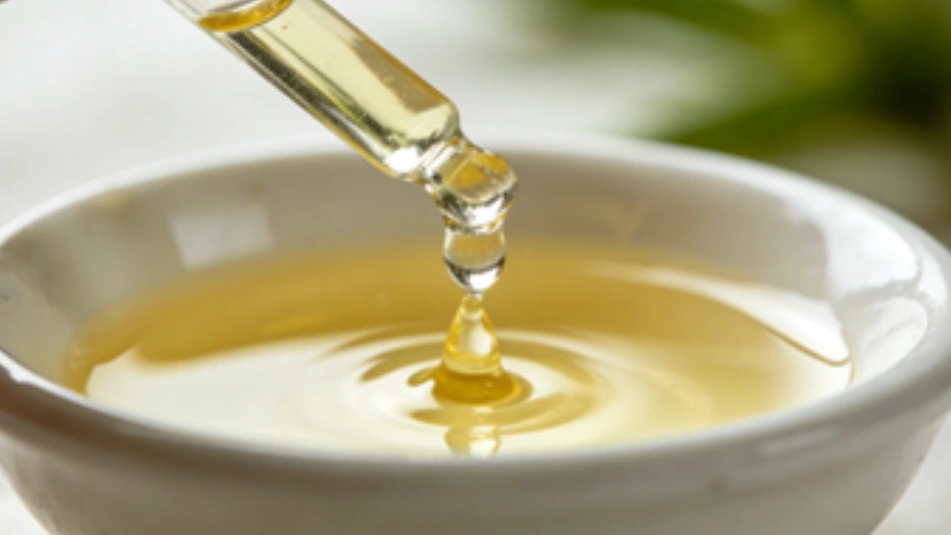
Yucca extract is derived from plants of theYucca genus (Liliaceae), such as Yucca schidigera (Mojave yucca). Its active components include saponins, polysaccharides, polyphenols, and steroidal compounds, which work synergistically to exert multiple biological effects. This article systematically elaborates on its core efficacy, biological benefits, and development prospects.
I. Core Efficacy of Yucca Extract
The core efficacy of yucca extract is closely related to its active components. Saponins, polysaccharides, and polyphenols interact synergistically to achieve the following effects:
1. Improved Digestive Function
Saponins stimulate bile secretion, enhancing fat emulsification and digestion. Polysaccharides act as prebiotics, selectively promoting the proliferation of beneficial intestinal bacteria (e.g., Bifidobacterium, Lactobacillus) while inhibiting harmful bacteria (e.g., Escherichia coli), thereby balancing the gut microbiota. A 2018 animal study showed that adding 0.1% yucca extract to pig feed reduced diarrhea in piglets by 30% and improved feed conversion ratio by 15%.
2. Immunomodulatory Effects
Polysaccharides and polyphenols activate immune cells (e.g., macrophages, T lymphocytes) to enhance cellular immunity. They also promote the secretion of immunoglobulins (e.g., IgG, IgA), boosting humoral immunity. A 2020 clinical study found that human subjects who took yucca extract supplements for 4 weeks showed a significant increase in the proportion of peripheral blood T cell subsets CD3 and CD4.
3. Strong Antioxidant Activity
Polyphenols (e.g., resveratrol, quercetin) are potent antioxidants that scavenge free radicals (e.g., superoxide anion, hydroxyl radical), inhibit lipid peroxidation, and reduce oxidative stress-induced tissue damage. A 2019 animal experiment revealed that yucca extract reduced malondialdehyde (MDA, a marker of oxidative stress) in the mouse liver by 35% and increased superoxide dismutase (SOD) activity by 28%.
4. Anti-inflammatory Effects
Saponins inhibit the nuclear factor-κB (NF−κB) pathway, reducing the release of inflammatory cytokines (e.g., TNF−α, IL−6). Polyphenols suppress cyclooxygenase-2 (COX-2) activity, lowering prostaglandin E2 (PGE2) levels. A 2021 study demonstrated that yucca extract significantly alleviated adjuvant-induced arthritis in rats, reducing joint swelling by 40%.
5. Environmentally Friendly Properties
Saponins bind to ammonium ions (NH) in the intestine, reducing ammonia (NH) volatilization. The proliferation of beneficial bacteria also decreases intestinal protein putrefaction and ammonia production. A 2017 broiler study showed that adding 0.05% yucca extract to feed reduced ammonia concentration in chicken coops by 25%, improving the breeding environment and reducing respiratory disease risks.
Summary of Core Efficacy and Supporting Evidence
| Core Efficacy | Key Active Components | Supporting Study (Year) | Key Results |
| Improved Digestive Function | Saponins, Polysaccharides | 2018 (Piglets) | 30% reduction in diarrhea; 15% improvement in feed conversion ratio |
| Immunomodulatory Effects | Polysaccharides, Polyphenols | 2020 (Human) | Significant increase in CD3, CD4 T cell subsets |
| Antioxidant Activity | Polyphenols | 2019 (Mouse) | 35% reduction in liver MDA; 28% increase in SOD activity |
| Anti-inflammatory Effects | Saponins, Polyphenols | 2021 (Rat) | 40% reduction in adjuvant-induced arthritis joint swelling |
| Environmental Friendly Properties | Saponins | 2017 (Broiler) | 25% reduction in chicken coop ammonia concentration |
II. Biological Benefits
Benefiting from its multifaceted core efficacy, yucca extract has significant application value in livestock breeding, pet health, and human health fields.
1. Livestock Breeding
As a natural feed additive, yucca extract improves feed conversion ratio in pigs, chickens, and cattle, reduces intestinal issues (e.g., diarrhea, constipation), and enhances meat quality (e.g., increased intramuscular fat, better meat color). A 2022 finishing pig study found that 0.15% yucca extract increased daily weight gain by 10% and reduced backfat thickness by 8%.
2. Pet Health
Yucca extract alleviates food allergy symptoms (e.g., skin itching, diarrhea) in pets (e.g., dogs, cats) by regulating gut microbiota and reducing allergen absorption. Its antioxidant effects also improve skin conditions (e.g., reduced dandruff, stronger skin barrier).
3. Human Health
As a dietary supplement, yucca extract improves constipation (via gut microbiota regulation), enhances immunity (via immunomodulation), and protects cardiovascular health (via antioxidant and cholesterol-lowering effects). A 2023 clinical study showed that 8 weeks of yucca extract supplementation reduced constipation incidence by 50% and serum cholesterol levels by 12% in humans.
Distribution of Biological Benefits Across Fields
| Application Field | Key Benefits | Supporting Study (Year) | Effective Dosage/Intervention Duration |
| Livestock Breeding (Finishing Pigs) | 10% increased daily weight gain; 8% reduced backfat thickness; improved feed conversion ratio | 2022 | 0.15% in feed |
| Pet Health (Dogs, Cats) | Alleviated food allergy symptoms; improved skin conditions | — | Adapted to pet weight and condition |
| Human Health | 50% reduced constipation incidence; 12% reduced serum cholesterol; enhanced immunity | 2023 | 8 weeks of supplementation |
III. Development Prospects
Driven by market demand, technological progress, and policy support, yucca extract has broad development prospects, while also facing certain challenges that need to be addressed.
1. Growing Demand
With increasing consumer demand for natural, safe products, the global yucca extract market is expanding. According to Grand View Research, the market size was $120 million in 2022, with a projected compound annual growth rate (CAGR) of 8.5% from 2023 to 2030.
2. Technological Advancements
Improved extraction techniques (e.g., supercritical CO extraction, microwave-assisted extraction) increase the content and purity of active components (e.g., saponins, polysaccharides). Gene editing technology optimizes the synthesis of active components in yucca plants, boosting yield.
3. Expanding Applications
Beyond traditional feed, yucca extract is entering food (functional beverages, health foods), cosmetics (antioxidant skincare), and pharmaceuticals (anti-inflammatory drugs, immunomodulators). For example, the U.S. FDA has approved it as a food additive (GRAS status) for use in beverages, candies, and other products.
4. Policy Support
Policies like the EU’s “Farm to Fork” strategy encourage the use of environmentally friendly feed additives. Yucca extract, which reduces ammonia emissions, aligns with sustainable agriculture goals and has broad application prospects.
5. Challenges and Opportunities
Currently, human clinical studies are limited, and raw material supply (mainly from North and Central America) is climate-dependent. However, with deeper research and yucca cultivation expanding to countries like Australia and China, these challenges will be gradually overcome.
Key Drivers and Challenges for Development
| Category | Specific Content | Impact |
| Drivers | Growing demand for natural, safe products | Promotes market expansion |
| Advanced extraction and gene editing technologies | Improves product quality and yield | |
| Expanding application fields (food, cosmetics, pharmaceuticals) | Broadens market space | |
| Policy support for sustainable agriculture | Facilitates application in livestock breeding | |
| Challenges | Limited human clinical studies | Restricts application in human health products |
| Climate-dependent raw material supply | Affects stable production and supply |
Conclusion
Yucca extract, a natural plant extract, exhibits multiple biological activities and provides positive benefits to livestock, pets, and humans. With growing demand, technological progress, and expanding applications, its development prospects are promising. Future efforts should focus on strengthening clinical research, optimizing extraction processes, and expanding raw material supply to meet market needs.